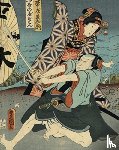
The Edo period (1603-1868) was an exceptionally productive era in Japan from a historical and artistic standpoint; later its influence would extend beyond the archipelago, as far as the West, where it gave rise to a passion for Japanese aesthetics and culture. The term ukiyo-e, which translates as pictures of a floating world, refers to the woodblock color prints that were first created in the Edo period, by combining the talents of painters like Utamaro, Hokusai and Hiroshige with the absolute mastery of block carvers and printers. Utamaro, Hokusai, Hiroshige: Geisha, Samurai and the Culture of Pleasure offers a chance to discover the world of Japanese ukiyo-e prints through over 300 works by some of the most important artists, and the themes that characterize them: from elegant and beautiful women to delicate flowers and birds, famous kabuki actors, valiant samurai and even erotic subjects with their insouciant celebration of love--
Ik heb een vraag over het boek:
'Utamaro, Hokusai Hiroshige - '.
Vul het onderstaande formulier in.
We zullen zo spoedig mogelijk antwoorden.
Wij respecteren je privacy
We gebruiken cookies om bezoek te meten, Boekstra te verbeteren en om advertenties van Google op je interesses af te stemmen. Je kunt de site hoe dan ook gewoon blijven gebruiken — ook als je weigert. Meer info