Analyses the different ways that three canonical texts—Chaucer’s Troilus and Criseyde; its source, Boccaccio’s Il Filostrato; and its fifteenth-century Scottish derivative, Robert Henryson’s Testament of Cresseid —treat two figures, Troilus and Criseyde, and how those differences affect our understanding of literary history.
Ik heb een vraag over het boek:
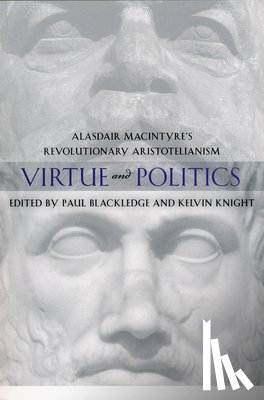
‘Virtue and Politics - ’.
Vul het onderstaande formulier in.
We zullen zo spoedig mogelijk antwoorden.
Wij respecteren je privacy
We gebruiken cookies om bezoek te meten, Boekstra te verbeteren en om advertenties van Google op je interesses af te stemmen. Je kunt de site hoe dan ook gewoon blijven gebruiken — ook als je weigert. Meer info